Felix Patterson · 2 September 2026
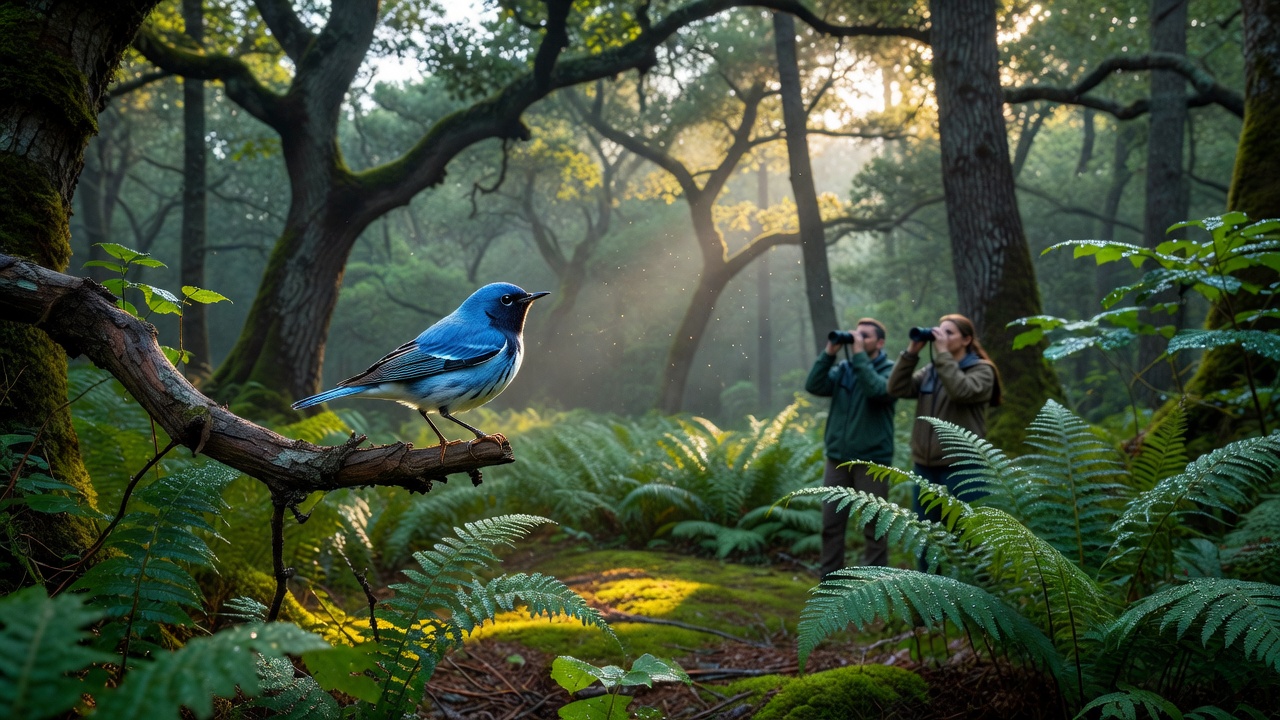
Local residents in Glowridge reported an unusual sighting last week when a Cerulean Warbler was observed in the wooded areas near the town center. The bird, known for its striking blue plumage and distinctive song, is rarely seen in this region due to its preference for specific migratory routes. Birdwatcher Emily Hart first noticed the species during an early morning walk on October 12, capturing several photographs that were later verified by regional ornithologists.
Details of the Sighting
The Cerulean Warbler typically breeds in the Appalachian Mountains and migrates to South America for winter. Its appearance in Glowridge marks a notable deviation from established patterns, possibly influenced by changing climate conditions affecting food sources and habitats. Hart described the bird perching on a maple branch before taking flight toward the nearby riverbank. Additional sightings were confirmed by two other locals who submitted records to the state birding database. Experts from the regional wildlife center noted that the warbler appeared healthy and was actively foraging on insects, suggesting it may have paused during migration rather than settling permanently.
Community members have expressed excitement about the discovery, with some organizing guided walks to observe the bird without disturbing its environment. The local park service has installed temporary signage advising visitors to maintain distance and avoid loud noises. Data collected from similar rare sightings indicate that such events can boost public interest in conservation, leading to increased volunteer participation in habitat restoration projects. Glowridge's mixed forest ecosystem provides suitable cover and insect populations that could support transient visits by the species.
Conservation Efforts and Reactions
Wildlife officials emphasize the importance of protecting migratory corridors to support species like the Cerulean Warbler, which faces threats from deforestation and pesticide use in its breeding grounds. Ongoing monitoring programs will track any further appearances in the area over the coming weeks. Residents are encouraged to report observations through official channels to contribute to broader scientific understanding. The sighting has also prompted discussions among local environmental groups about expanding protected zones along Glowridge's waterways. Overall, the event highlights the value of community vigilance in documenting biodiversity changes and supporting efforts to maintain healthy ecosystems for both resident and migratory birds.